

List of sectoral mutual funds
All About Commodity Mutual Funds
- Commodities have been part of trade and economic activity for centuries. Prices of resources such as gold, silver, crude oil and industrial metals move based on global supply, demand and economic conditions. Traditionally, participating in commodities required trading on specialised exchanges or dealing with physical assets. Over time, mutual funds introduced a more accessible route. Commodity mutual funds allow investors to observe and participate in commodity price movements through a structured investment product. In terms of commodity mutual funds, India has recently attracted a lot of attention from investors who want exposure to raw material markets within a regulated financial framework.

-
What Are Commodity Mutual Funds?
- Commodity mutual funds are investment schemes that allocate money to commodity-linked instruments rather than traditional equities or bonds. The portfolio may include exchange-traded commodity instruments, shares of companies engaged in commodity production or units of funds that track commodity prices. Rather than purchasing physical commodities like gold bars or barrels of oil, investors participate with the help of financial assets whose value reflects commodity price changes. Commodity funds provide access to commodity markets without handling storage, transportation or direct trading. In India, commodity funds run within mutual fund regulations and can be accessed through standard investment platforms.

Features and Benefits of Commodity Mutual Funds

Exposure
Commodity mutual funds provide exposure to a distinct asset class, with prices influenced by global demand, supply trends and geopolitical events, creating returns independent of traditional markets.

Easy Participation
Investors can participate in commodity markets without opening trading accounts or handling physical commodities, as the mutual fund manages transactions, holdings and operational requirements.

Diversification
Commodities often respond differently to economic cycles than stocks and bonds, helping diversify portfolios and reduce concentration risk through varied performance drivers.

Ease of Access
Commodity mutual funds offer a convenient and regulated investment route, allowing investors to access commodity-linked opportunities through a simple mutual fund investment process.
What are the Types of Commodity Mutual Funds
Commodity funds can be grouped based on the resource they track, or the investment method used.
Precious metal funds
Precious metal funds focus on metals such as gold and silver. Their performance is closely linked to international metal prices and currency movement.
Energy funds
Energy funds are linked to commodities such as crude oil and natural gas or companies involved in energy production and distribution. These funds respond to global demand, geopolitical developments and supply changes.
Broad commodity funds
Broad commodity funds diversify across multiple resources including metals, energy and industrial materials. This spreads exposure across different commodity segments rather than concentrating on a single resource.
How Do Commodity Mutual Funds Work?
Commodity mutual funds collect money from investors and invest it in instruments linked to commodity prices. The fund manager follows the scheme objective to select appropriate assets, which may include exchange-traded instruments or shares of commodity-related companies. The net asset value of the fund changes according to global commodity price movements and market conditions. Factors such as supply shortages, production increases, weather conditions and economic demand influence prices. Through this structure, investing in commodity funds allows investors to participate in commodity trends without directly trading futures contracts or holding physical goods.

How to Invest in Commodity Funds?
Investing in commodity mutual funds follows a process similar to other mutual fund investments. Investors can visit the asset management company website or use authorised platforms. After completing registration and identity verification, they can choose a fund from the available schemes. Payments can be made lump sum or via systematic options, as per the terms of the scheme. Investors can access Motilal Oswal commodity mutual funds through registered distributors and official digital channels. The transaction happens in a familiar format, while the fund internally manages commodity-linked investments.
Taxation Rules of Commodity Mutual Funds
In India, commodity funds are generally taxed according to non-equity mutual fund taxation rules under prevailing regulations. The classification of capital gains is based on the holding period, and the applicable tax rate depends on the investment falling within short-term or long-term categories. Since taxation guidelines may change over time, investors usually review current rules when investing or redeeming units in commodity mutual funds.
Things to Consider While Investing in Commodity Mutual Funds
Before investing in commodity mutual funds, investors often review the type of commodity exposure offered by the scheme. Different commodities respond to different economic factors. Global demand, supply constraints and geopolitical developments can affect their performance. Currency movement may also affect returns because commodity prices are usually linked to international markets. Expense ratio, benchmark and investment strategy provide insight into the fund’s structure. Understanding whether the fund tracks a single commodity or multiple resources helps interpret performance patterns. Motilal Oswal commodity fund documents disclose allocation and strategy so investors can understand the scheme framework before investing.
Which Type of Commodity
Mutual Funds Are the Best?
The best commodity mutual funds category changes depending on interest in a particular commodity segment. While some investors consider precious metal funds for metal exposure, others might prefer diversified commodity funds covering multiple resources. There is no universal definition of good commodity mutual funds because each category serves a different purpose and reacts differently to economic conditions. Comparing commodity focus, benchmark and allocation pattern helps build a clearer perspective when evaluating available options.
Connecting Investments with Real-World Resources
Commodity mutual funds broaden the range of investment options by linking financial portfolios to tangible resources such as metals and energy products. Instead of dealing with physical commodities or specialised trading platforms, investors can follow price movements through a familiar mutual fund route. Motilal Oswal commodity mutual funds provide access to commodity-linked assets in an organised and regulated format, making it possible to observe how global resource markets behave while investing through standard financial channels.
Our Funds
Related Articles
-
Article
- 10 min read
- August 30, 2024
-
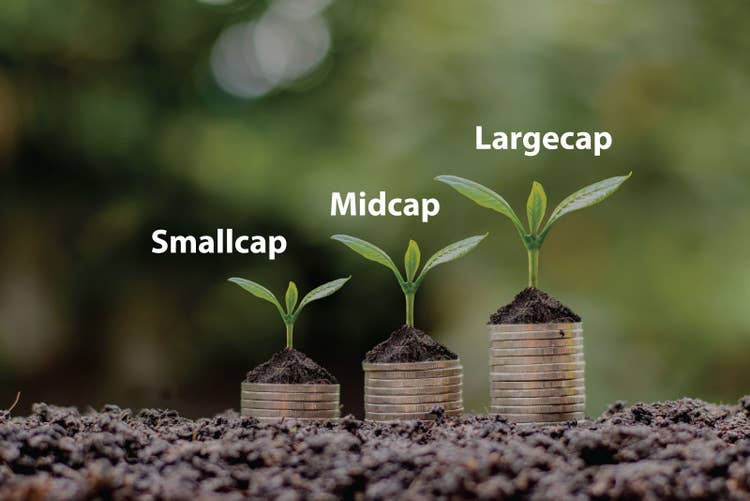
Large-cap Stocks, Small-cap Stocks, Mid-cap Stocks — What is the difference?
-
There are thousands of companies in the Indian stock market. There are about 2,113 companies listed on the NSE and 5,311 companies listed on the BSE.

-
Video
- 3 min read
- April 4, 2022
-
5 Reason to Boost your SIP
-
As we all agree, it is not possible to time the market, and therefore a Systematic Investment Plan (or SIP) is a preferred mode of investment to invest in mutual funds.

-
Podcast
- 1 min read
- October 4, 2021
-
Ep. 00: Introduction
-
Welcome to the Equity Sahi Hai podcast brought to you by Motilal Oswal Asset Management Company. Equities have the potential to deliver inflation-beating returns for your portfolio.
Frequently Asked Questions
Should you invest in equity mutual funds or commodity mutual funds?
Who should invest in commodity mutual funds?
What are the risks of investing in commodities funds?
Are commodity funds a good investment?
What do commodity mutual funds offer?
Where do commodity mutual funds invest?
Source: AceMF. Widest range in terms of tracking Domestic and International equities as on February 29, 2024. Additionally, ETFs and Fund of Funds are also available. Commodities and Passive multi-assets are Fund of Funds investing in underlying schemes.
Mutual Fund investments are subject to market risks, read all scheme related documents carefully