-
-
-
Systematic Transfer Plan Calculator
- A Systematic Transfer Plan (STP) enables gradual transfer of funds from one scheme to another.
-
Lumpsum Amount in the Source Scheme
100000
100000
500000000
Tenure of STP Investment
12
1
30
Monthly STP Amount
100000
1
500000000
Expected Return from Target Scheme
7
2
13
Expected Return from Source Scheme
8
2
13
- Total Earnings from STP
- 123456789
- Initial Investment in source scheme
- 1000000
- Amount remaining in source scheme
- 2222222
- Total investment in target scheme
- 33333333
- Future market value of target scheme
- 444444444
- Helps investors deploy large investments in a phased manner. It reduces the risk associated with investing at a single market level and promotes disciplined investing.
Disclaimer
- This calculator is provided for informational purposes only.
- The results are based on user inputs and should not be considered as investment advice. Users should seek the advice of a qualified financial professional before making any investment decisions.
- The creators of the calculator and its affiliates shall not be held responsible for any financial losses resulting from the use of the calculator.
- Past performance may or may not be sustained in the future and should not be used as a basis for comparison with other investments. Mutual Fund Investments are subject to market risks, read all scheme related documents carefully.
People are also investing in
Other Calculators
- SIP Top Up Calculator
- Lumpsum Calculator
- SIP Past Performance Calculator
- Compound Interest Calculator
-
-
- Try our Goal Calculator
- Target a certain amount of wealth within a time frame before the beginning of their investment journey.
STP Calculator
Investors do not always shift their investments from one mutual fund scheme to another in a single transaction. In many situations, they prefer moving money gradually over a period, so the change happens in smaller steps rather than all at once. A Systematic Transfer Plan, commonly known as STP, follows this approach. To understand how such transfers may unfold month after month, an estimation becomes important. An STP calculator helps present this movement in a structured manner. Instead of imagining outcomes, users can view projected numbers showing how the value of investments may evolve as transfers continue.
What Is an STP Calculator?
A Systematic Transfer Planner helps users visualise how gradual movement of money may impact the growth of investments over a period of time. Instead of working through manual calculations, the tool presents a clear schedule showing how much is transferred during each interval and how balances change after every step.
It makes it easier to understand the impact of different transfer frequencies such as monthly or quarterly. Users can also try varying transfer amounts or durations and instantly see how the projected values adjust. This comparison helps in interpreting how small changes in inputs alter the overall outcome.
An STP calculator in India therefore organises complex calculations into a readable format. It simplifies the idea of staggered investing by showing the path of money between schemes in a structured and easy-to-follow manner.
How Does an STP Calculator Work?
A mutual fund STP calculator works by simulating regular transfers and applying an assumed rate of return to both schemes involved in the transfer. The system deducts a fixed amount periodically from the source fund and adds it to the destination fund while applying estimated growth to each balance.
For example, consider an investment of ₹2,40,000 placed in a source scheme. Suppose ₹20,000 is transferred every month for 12 months to another scheme.
During each cycle:
- The calculator deducts ₹20,000 from the source scheme
- The remaining balance continues to grow at the selected return rate
- The transferred amount is added to the destination scheme
- Growth is applied to the destination balance from the date of transfer
Month after month, the balance in the source scheme reduces gradually, while the destination scheme accumulates value. By the end of the year, the Systematic Transfer Plan Calculator shows total transferred amount, projected value of the destination investment and the remaining balance in the original scheme if applicable.
This step-wise calculation helps users visualise how staggered allocation behaves rather than assuming a single-day movement of funds.
What are the Benefits of using an STP Calculator?
An STP calculator online helps by providing a structure for gradually moving investments between schemes. Instead of using rough estimates, investors get organised projections that show the effect of each transfer on the overall value over time.
Common advantages of the calculator include:
- Understanding periodic impact: Each transfer is reflected separately, making it easier to see how regular movement changes the balance
- Comparison flexibility: Users can compare different transfer amounts, frequencies and durations to see how projections vary
- Balance tracking: The tool generates the remaining value in the source scheme as well as the accumulated value in the destination scheme across time
- Quick computation: Results are generated instantly with no need to use formulas or repeated calculations
- Editable inputs: Changing any number immediately produces a revised projection for comparison
The mutual fund STP calculator helps interpret gradual investment-movement in a step-by- step manner. It also explains how spreading transfers across multiple dates distributes exposure over time instead of concentrating it in one transaction.
How to Use the Motilal Oswal STP Calculator Online?
Using the Motilal Oswal STP calculator online is designed to be simple and structured so users can quickly understand how transfers may progress over time. The process begins by entering the starting amount that currently exists in the source scheme. This represents the pool from which periodic transfers will be made.
Next, the user selects the transfer amount and decides the frequency, such as monthly or quarterly. These inputs define how regularly money moves from one scheme to another and how long the transfer cycle may continue.
After that, additional details are added:
- Expected rate of return
- Total duration of the transfer plan
Once the information is submitted, the calculator generates a projection. The output typically displays a schedule showing how much money shifts during each interval and how the balances evolve in both schemes.
Users can then modify any value and instantly see an updated projection. This flexibility helps in comparing different scenarios without redoing calculations manually.
The Systematic Transfer Planner therefore works as an interactive tool. By allowing repeated simulations, it helps users visualise multiple transfer patterns and understand how gradual movement of funds may behave across different timeframes.
Key Considerations When Using an STP Calculator
When using a Systematic Transfer Plan calculator, it is important to remember that the results depend entirely on the values entered into the tool. The expected rate of return used in the calculation is only an assumed figure and actual market performance may differ from it.
Transfer frequency and duration also influence the projection. A plan spread across many months will show a different pattern compared to a shorter transfer period because the balance remains invested for varying lengths of time. Changing these inputs can significantly alter the final displayed value.
For this reason, the calculator provides an indicative estimate rather than a guaranteed outcome. Understanding that projections are based on selected assumptions helps users read the output carefully and view it as a reference for how the transfer process may behave under certain conditions.
What Is the Difference Between STP and SIP?
A Systematic Transfer Plan (STP) and a Systematic Investment Plan (SIP) both follow the idea of investing at regular intervals, but they work in different ways because the source of money is not the same.
In an STP, the amount is already invested in a mutual fund scheme. A fixed portion of this existing investment is shifted periodically to another scheme. The movement happens
within the mutual fund structure itself, so the investor is essentially reallocating money rather than adding fresh funds. Over time, the balance in the original scheme reduces while the destination scheme gradually builds value.
In a SIP, the investment does not come from an existing mutual fund holding. Instead, money needs to be contributed at regular intervals from an external source, usually a bank account. Each contribution creates a new investment entry in the chosen scheme.
In simple terms:
- STP moves invested money between schemes
- SIP introduces new money into the investment
Both follow a periodic pattern, but one redistributes existing holdings while the other builds investments step by step.
Gaining Clarity on Transfers With an STP Calculator
- An STP calculator helps present gradual fund movement in a simple, structured way. By showing projected transfers and balances over time, it makes periodic allocation easier to interpret. Instead of relying on assumptions, users can view organised estimates and understand how systematic transfers may unfold across different time periods.
For the future you are building,
and the legacy you envisioned
Learning Resource Vault
Learn with Motilal Oswal
-
Article
- 10 min read
- August 30, 2024
-
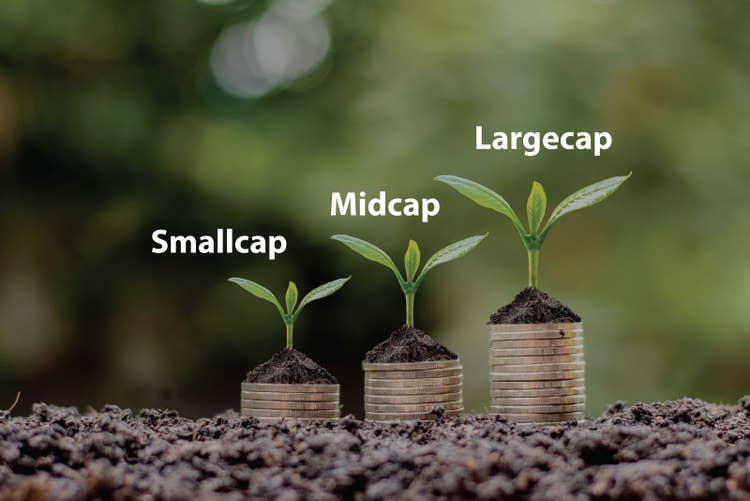
Large-cap Stocks, Small-cap Stocks, Mid-cap Stocks — What is the difference?
-
There are thousands of companies in the Indian stock market. There are about 2,113 companies listed on the NSE and 5,311 companies listed on the BSE.

-
Video
- 3 min watch
- April 4, 2022
-
As we all agree, it is not possible to time the market, and therefore a Systematic Investment Plan (or SIP) is a preferred mode of investment to invest in mutual funds.

-
Podcast
- 1 min listen
- October 4, 2021
-
Explore thought-provoking conversations with Pratik Oswal as he shares his views on building wealth, market behavior, and more.
Frequently Asked Questions
What is the minimum amount which one needs to invest through STP?
Can I change the STP amount or date after initiating it?
What is the minimum number of transfers that one needs to make through the STP?
Do I need to pay exit load when transferring funds under an STP?
What are the types of STP available?
Can an STP Calculator be used for all mutual fund schemes?
Why should you invest through STP?
amount at once.